|
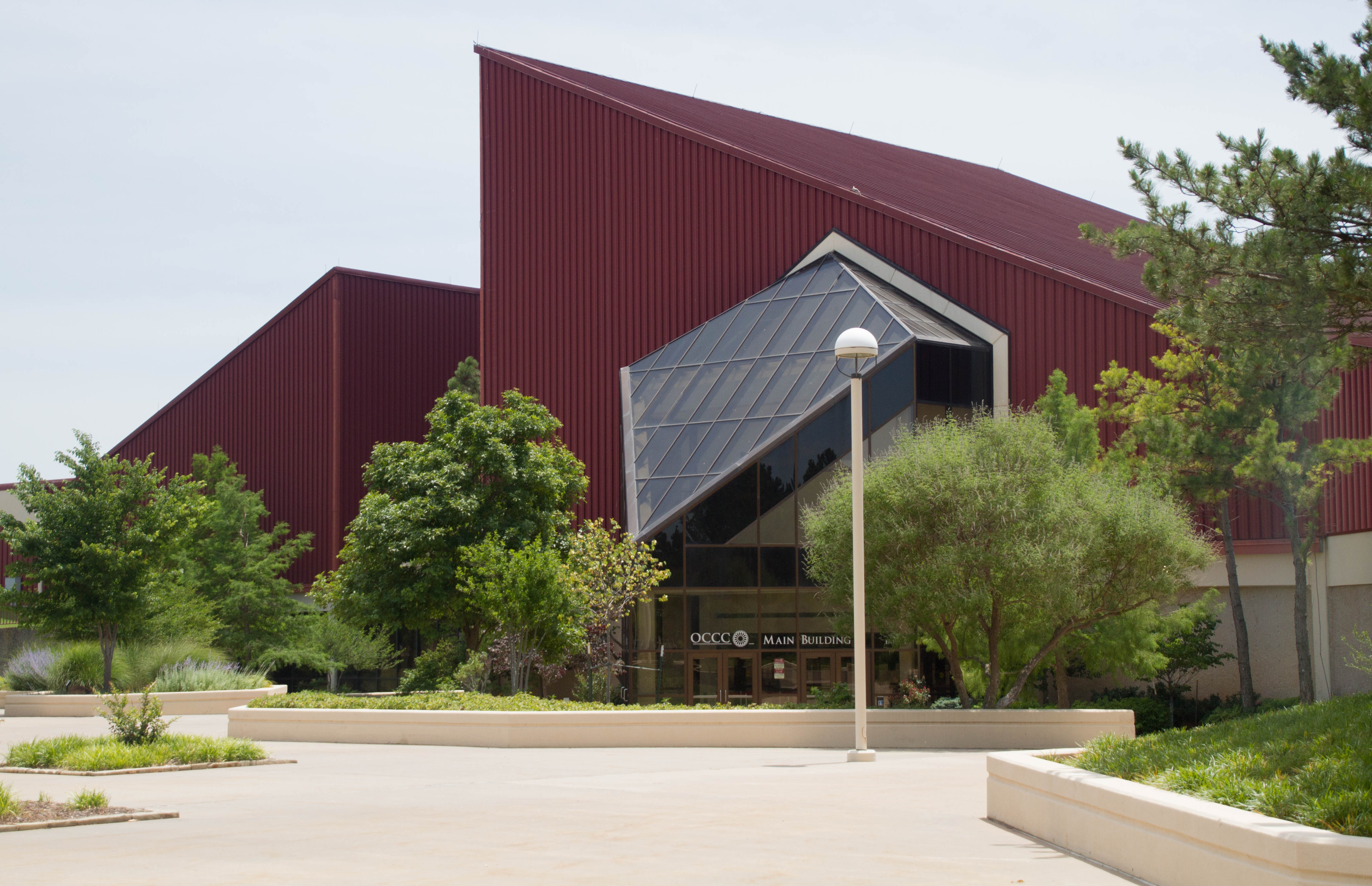
UPDATE: Tuesday, May 21, 4:46 p.m.: OCCC will reopen Wednesday morning, May 22.
OCCC announces that all classes and activities will resume at the main campus, the FACE Center and the Capitol Hill Center at 7 a.m.
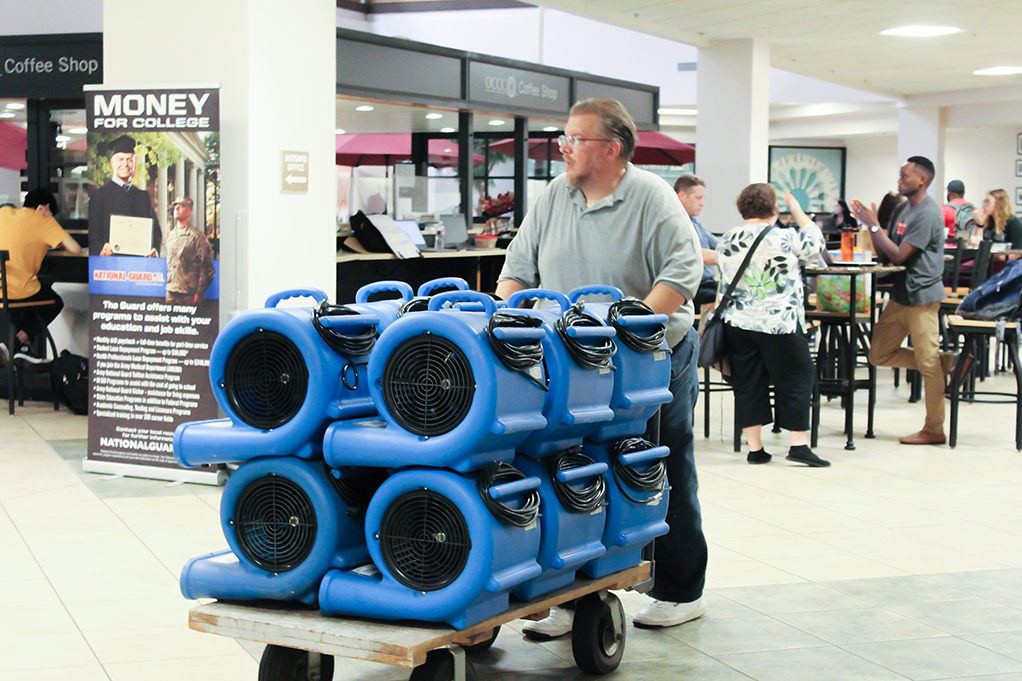
The college closed on Tuesday, May 21, after a tornado devastated the nearby community of Moore, affecting many students and staff.
|
|
|
|

Few students on campus know about the college’s off-campus branch in the Capitol Hill area just south of downtown Oklahoma City.
Those who do know may have taken advantage of the services offered there, including GED instruction and English as a Second Language classes.
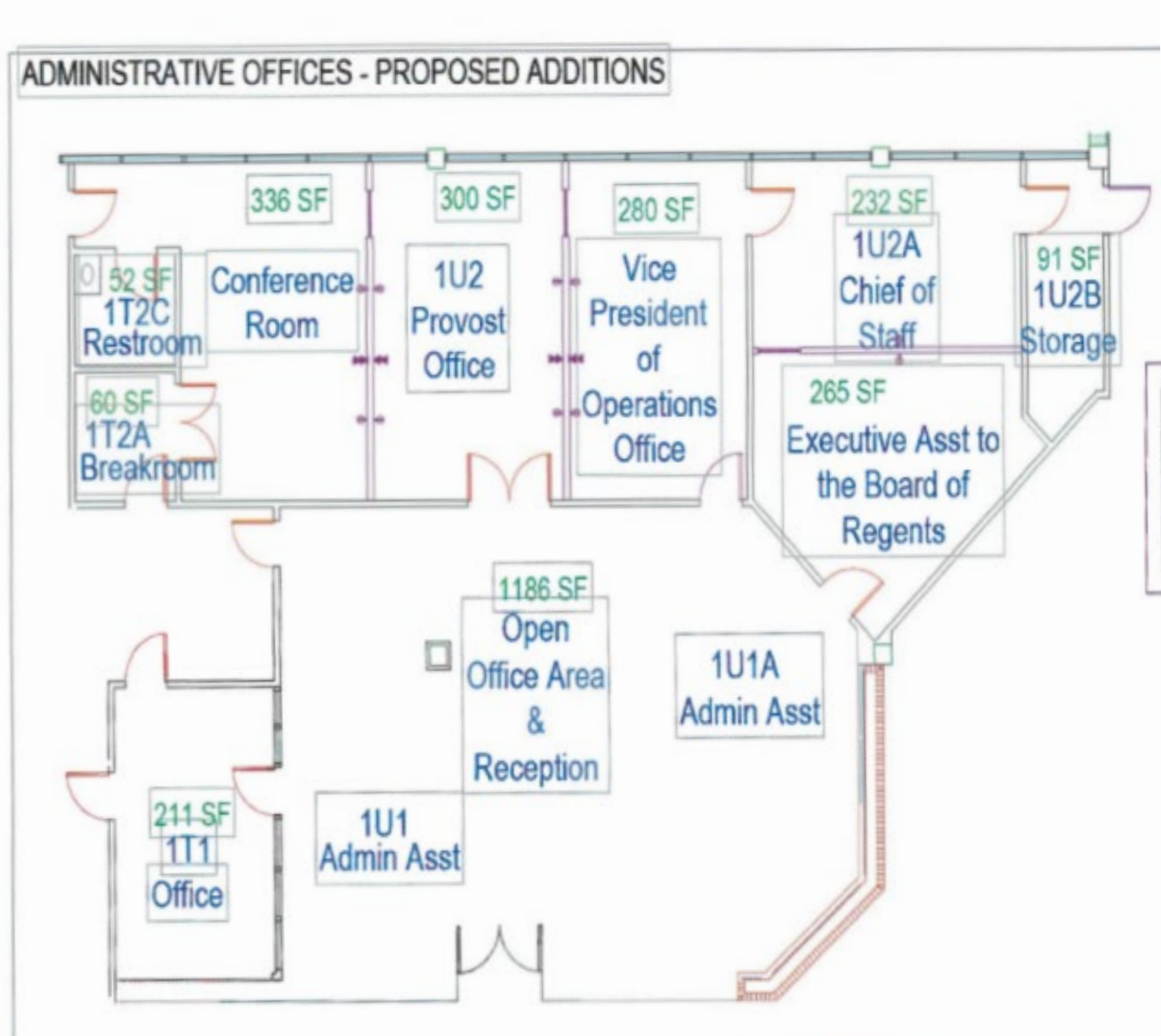
But its visibility in the community could increase when the new Capitol Hill Center is ready for occupancy. A campaign to raise funds for the new Capitol Hill Center will kick off in a few short months, said Steven Bloomberg, Community Development vice president.
The campaign is expected to take about nine months and aims to raise $5 million.
OCCC has rented temporary facilities to hold classes in the Capitol Hill area since 2000, Bloomberg said.
With services in this area of Oklahoma City, he said, education can reach more people who may not have had access to it before. Bloomberg said the branch campus in this area allows more citizens in the community to take classes to prepare for jobs.
The current location is in the United Methodist Church, located at 123 SW 25th St. OCCC has been leasing the second floor of this building since February 2012. The 5,000-square-foot space houses four to five classrooms.
|
|
|
|
Campus police received a report on Friday, April 26, that a woman, 19, had been sexually assaulted on campus about two months prior.
According to the report, the woman's brother came to campus police, telling them the assault had occurred. The man said he had just found out the news that morning. He said he tried to get his sister to report the assault but she declined, asking him to report it for her instead.
|
|
|
|
An historical novel about four sisters fighting against political oppression in the Dominican Republic in the 1960s has been chosen for The Big Read at OCCC in the fall.
Julia Alvarez wrote “In the Time of the Butterflies” in 1994.
Library Director Barbara King said she and a group of professors and other librarians worked together to choose the book “In the Time of the Butterflies.”
It was chosen off the selected book list of the National Endowment for the Arts, which has funded the project for OCCC in past years.
|
|
|
|
“Muslims hate Jews.” “Muslim women are oppressed.” “All Muslims are violent.”
These are just a few of the misconceptions about Islam that Dr. Imad Enchassi attempted to dispel on April 18 at a lecture and food fair on campus sponsored by the Muslim Student Association.
Enchassi is the president of the Islamic Society of Greater Oklahoma City.
About 30 people eagerly listened while eating ethnic food the Muslim students had prepared.
|
|
|
|
|
Student Several audience members were brought to tears at a screening of the film “Dogs of Lexington” shown Friday, April 12, in the Bruce Owen Theater at OCCC.
The film tells the story of a program at a Lexington prison in which shelter dogs move in with inmates who train them to become service dogs. Those involved with the program now hope to expand it to as many prisons as they can.
Now, for the first time in 22 years, the program is being instituted at a new prison — Mabel Bassett Correctional Center in McCloud — said Film and Video Professor Greg Mellott who served as director and co-producer of the 45-minute film.
|
|
|
|
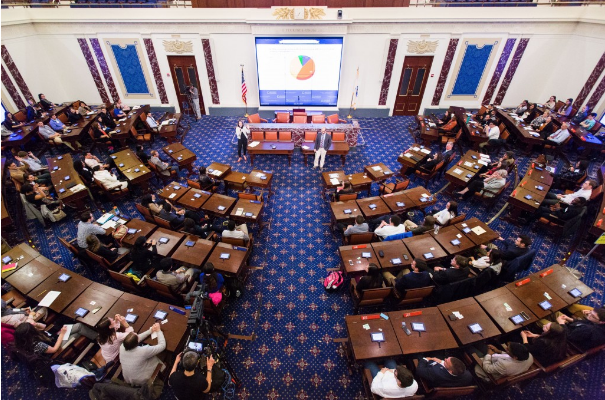
Student leaders on campus endorsed a possible tuition increase of up to 5 percent for next fall at The Leadership Council meeting April 11. The vote was 16-3.
The Leadership Council is a group of student club officers and other student leaders who vote on issues that affect the entire student body.
TLC Chair Angela Gutierrez told members the state funding outlook is grim. She believes an increase in state funding for higher education and OCCC will be minimal if there is an increase at all.
|
|
|
|
The Chinese word for “hello” is “ni hao.”
That information might come in handy if you ever visit the world’s most populous country, said Ginnett Rollins, French and Spanish professor at OCCC.
The simple word is one of many you will learn in OCCC’s Introduction to Chinese, a 3-credit-hour class offered at the campus this fall.
“The class will teach students about basic vocabulary and Chinese culture,” Rollins said.
|
|
|
|
In the early stages of Internet or technology addiction, neurotransmitters in the brain begin overloading the body with dopamine. Dopamine is the chemical hormone that controls roles in behavior and cognition.
The prefrontal cortex and VTA areas of the brain are stimulated by the excess of dopamine and soon, a dependency on the overload is needed for a person to function.
More than 20 students gathered on April 17 in CU1 to listen to Dr. Peter John A. Messiah give a dynamic and engaging lecture about Internet addiction.

|
|
|
|
Almost two years after a no-smoking policy went into effect, individuals are still butting heads over the matter.
“I think it’s bullshit,” said an OCCC staff member who wished to remain anonymous. “I’m not a smoker but I think it’s too much government involvement.”
Student Jacoby Bond, a nursing student and former smoker, said smoking is a right. “ …But [on campus] it’s a privilege.” Since Aug. 1, 2011, the entire OCCC campus has been tobacco free, with a policy forbidding the use of all tobacco products anywhere on campus.

|
|
|
|
|
|
|
|
|
|
|